
Gallery
Featured
INSIDE THE CITY OF LADIES
OFFICIAL SELECTION: PROFESSIONAL
INTERNATIONAL PHOTOGRAPHY AWARDS 2026
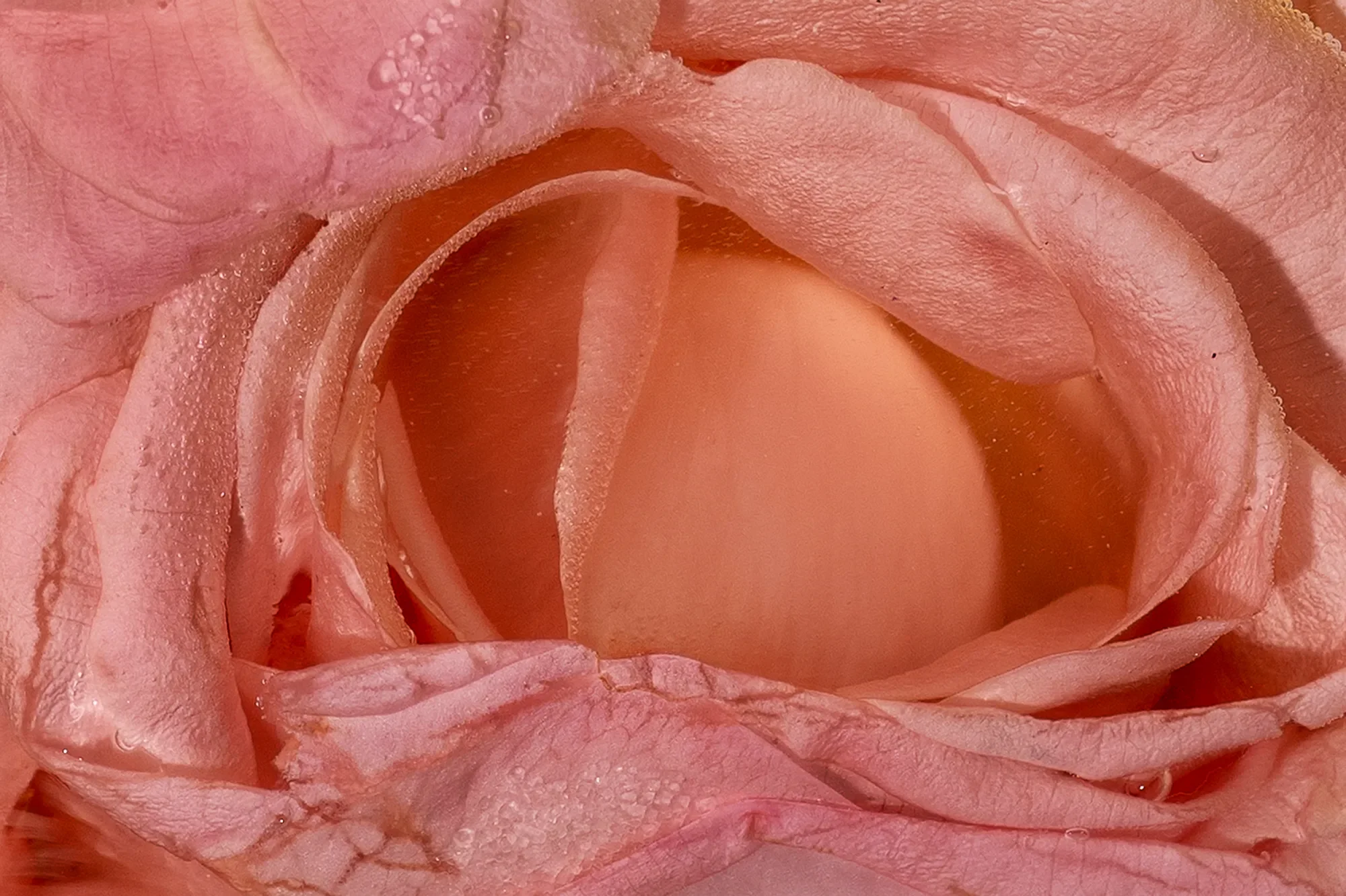
Turkish Delight, please your Majesty / Rosa spp., Saccharum officinarum
MOLLY MORPETH CANADAY AWARD FINALIST 2026
Rosa spp., Saccharum officinarum
Surely every child who reads The Lion, the Witch and the Wardrobe wants to try Turkish Delight. The child is hungry. Something more is happening, but they cannot yet name it. By contrast, an adult reading the same scene might recognise what once felt like enchantment as something else entirely: the activation of internalised scripts for power, seduction, and control.
Featured
LEGALISED ADULTERATION
CLAIRE AHO AWARD | COMMENDED
WOMEN PHOTOGRAPHERS, LONDON 2026
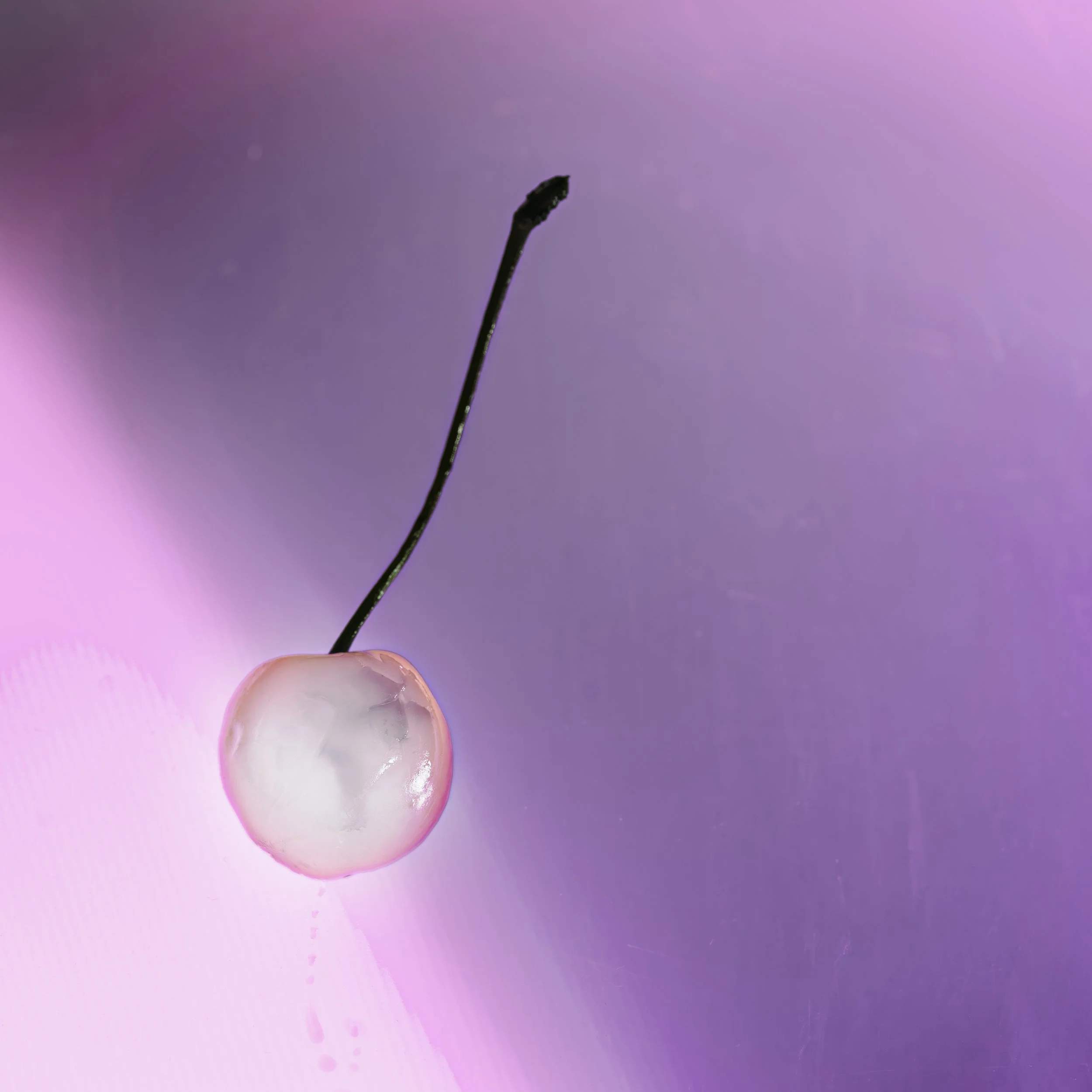
The Maraschino Cherry is a laboratory object that originated as a rare preserved fruit and was later reconstructed as a mass-produced symbol of sweetness. During Prohibition, the original product—marasca cherries preserved in liqueur—was effectively outlawed. In response, industry devised a non-alcoholic substitute, and American federal regulation subsequently codified this imitation as the authentic product.
The resulting fruit is not preserved so much as replaced. It is bleached, sweetened, dyed, standardised, and rendered permanently bright. What emerges is an object sustained not by origin or nourishment, but by legal definition and visual consistency. Substitution becomes legitimate, and alteration becomes invisible.
This engineered cherry operates within a carefully managed field of reassurance. Its exaggerated sweetness, uniform shape, and artificial brightness produce an object that appears harmless and compliant, allowing it to circulate without friction across incompatible contexts—positioned on children’s desserts while remaining a familiar garnish in adult cocktails.
The cherry’s visual language draws on long-standing symbolic associations between redness, intactness, and purity. Historically linked to virginity and sexual innocence, it carries a coded erotic charge that is neutralised through sugar, scale, and repetition. What intensifies the unease is the contradiction at its core: the maraschino cherry continues to be classified as fruit while having been chemically altered to the point where nourishment is replaced by simulation, and toxicity is masked by sweetness.
Under these conditions, the maraschino cherry becomes a site where four linked constructs converge: youth as fetish, femininity as product, nature as imitation, and regulatory fiction of innocence. By treating the cherry as an object of study, Legalised Adulteration exposes how aesthetic, legal, and cultural systems collaborate to normalise substitution, stabilise discomfort, and render deeply unsettling associations ordinary.
Ghost Cherry
Featured
BOTANICAL RESISTANCE
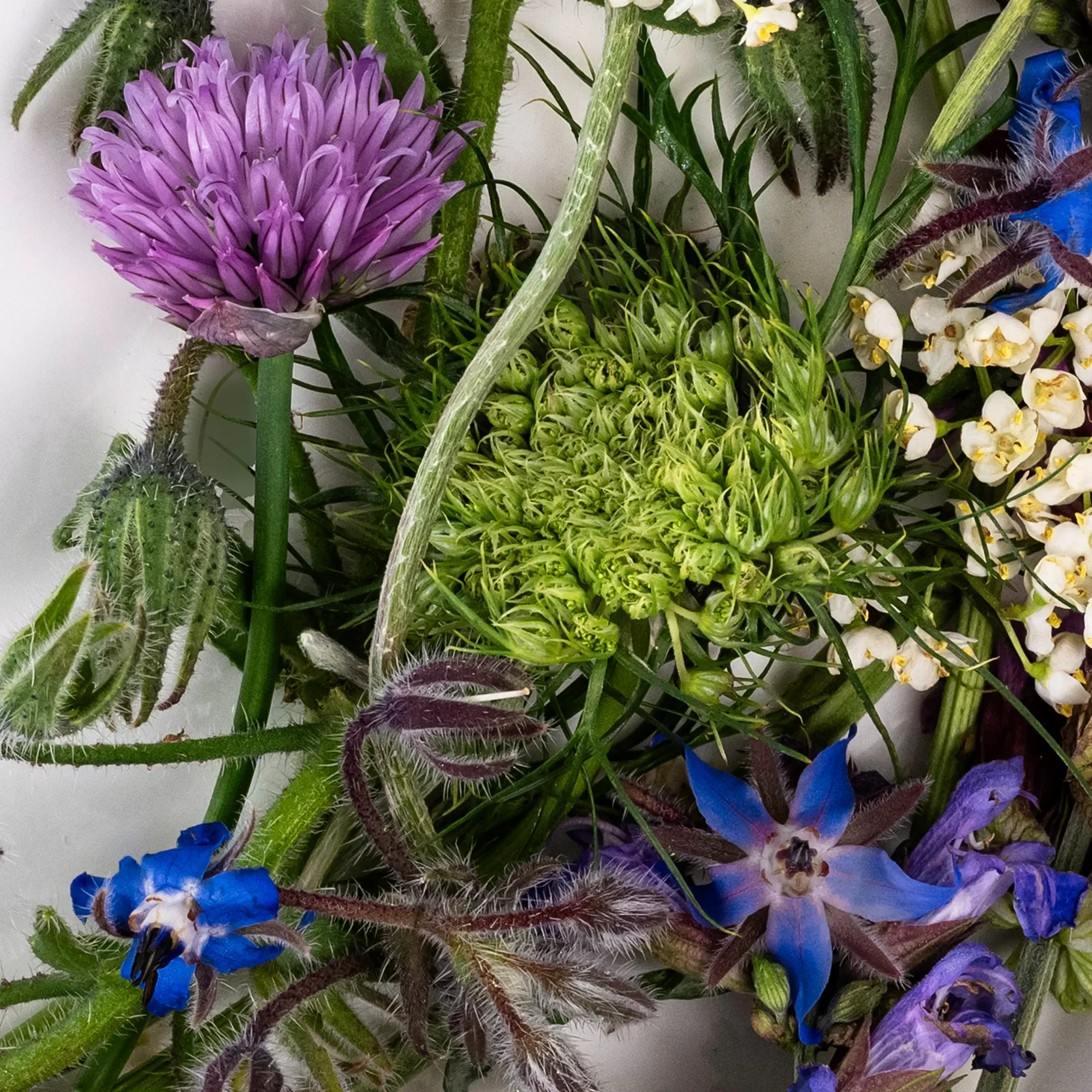
Artemisia absinthium (wormwood) empty section
Botanical Resistance examines how authority and prestige are enforced within professional kitchens, where value has historically been organised through hierarchical, male-dominated systems. Within these environments, plating operates as a mechanism of control: it is the site at which ingredients are ordered, aestheticised, and ranked, reinforcing distinctions between what is centred and what is rendered peripheral.
The series redirects this language of plating toward foraged and cultivated plants associated with medicinal, domestic, and vernacular knowledge—forms of expertise essential to food cultures yet systematically marginalised within traditional professional culinary structures. Plant knowledge, often held and transmitted by women, has historically existed outside the codified frameworks of haute cuisine, where status is secured through scarcity, theatrical technique, and concentrated authorship.
By presenting these plants on the plate, the work engages a space typically reserved for premium ingredients. The centre—where a singular “hero” would conventionally concentrate value and authorship—is deliberately left clear. Rather than substituting one focal ingredient for another, plating is used to suspend the logic that organises attention around dominance and scarcity.
In this shift, materials that would ordinarily remain unacknowledged are given formal visibility without being elevated through excess or rarity. Their material intelligence and cultural significance are allowed to register directly, without amplification or spectacle. Attention is redirected away from status and display toward continuity, attentiveness, and use.
Featured
IMMERSION
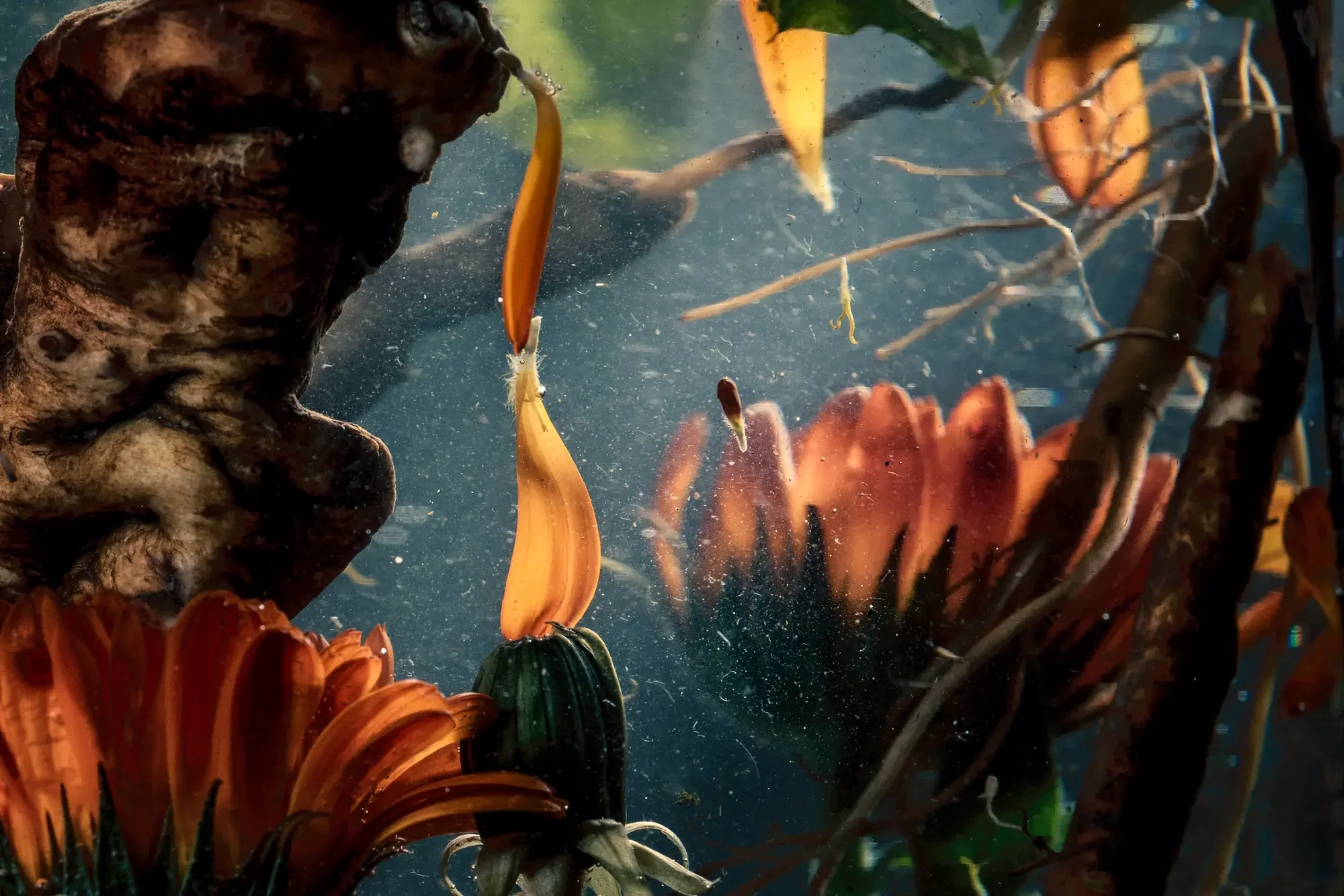
Immersion examines states of transformation and the conditions required for change to occur. The series positions sustained observation as an active practice, operating in contrast to synthetic vision and the pseudo-culinary imagery that increasingly shapes how food, nature, and the body are represented.
Working with dandelion and calendula, the images attend to processes rather than outcomes. Forms are observed as they respond to shifts in time and temperature, allowing gradual alterations to accumulate and become visible. Attention is directed toward matter in process, where change is neither instantaneous nor fixed, but contingent and ongoing.
The series engages with the ordinary, the beautiful, and the strange without prescriptive judgement. It reflects the sensitivity required when working with ingredients as living materials rather than finished products, emphasising responsiveness over control. Through this approach, Immersion resists the visual shorthand of perfection and immediacy, instead privileging duration, material behaviour, and close looking.
Traditionally associated with cleansing, transition, and release, dandelion and calendula operate here as both subject and method. Within these contained environments, the images move between empirical observation and exploratory play, allowing process itself to remain visible without resolution.
Immersion - 14:14:44 - thermal suspension
Featured
LUCENT ANATOMY
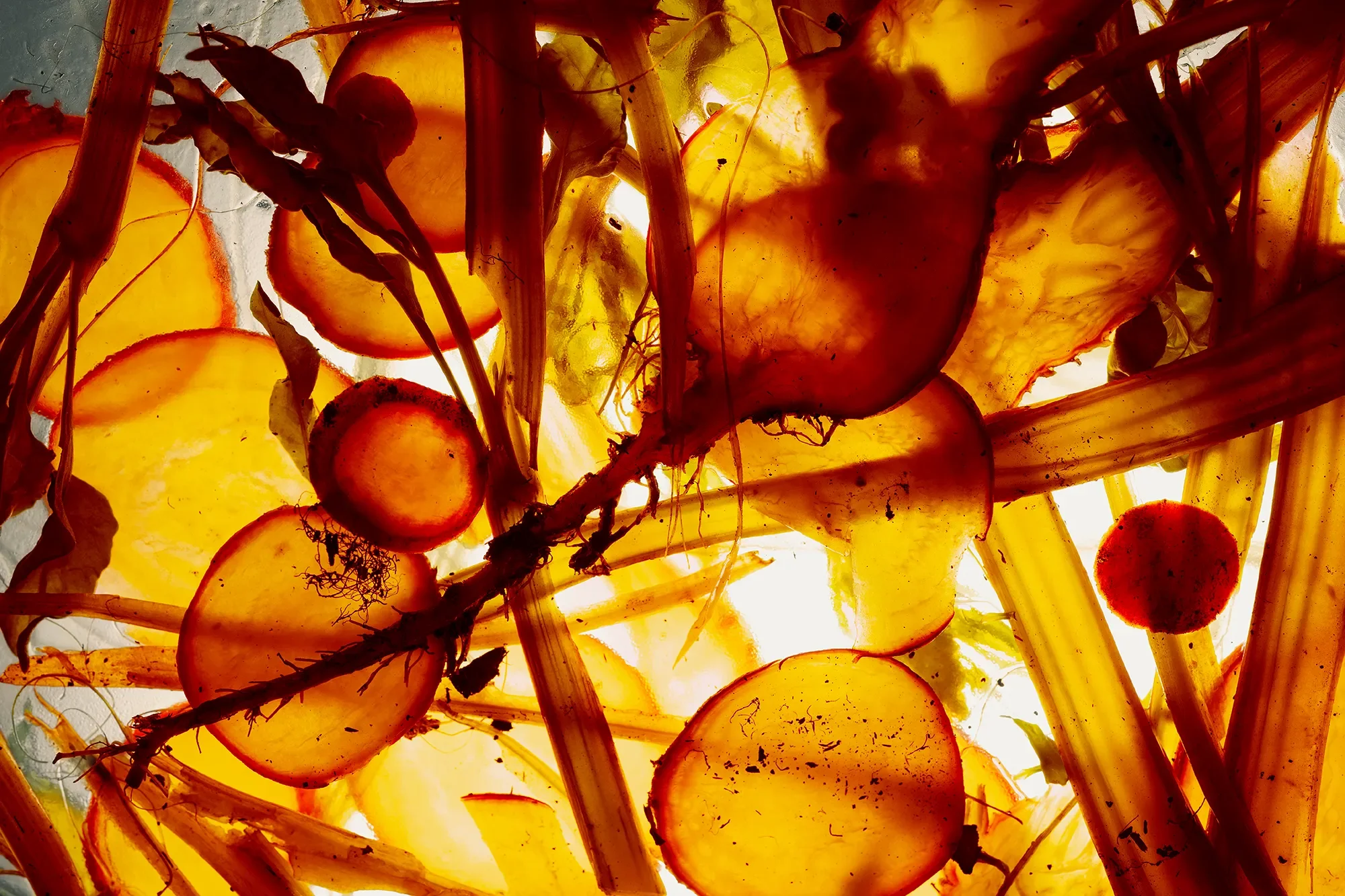
Lucent Anatomy questions how the body—any biological form—is viewed, proposing an approach that is fundamentally non-dominating. Within professional kitchens, status has historically been organised through the brigade system, derived from military structures of command and control. Here, mastery is asserted through the cut: chefs claim authority over the body through meat, while vegetal forms and those working with them are positioned as secondary. Power and prestige become closely aligned with death.
This series works deliberately against that inherited order. The slicing of the subject is not an act of dominance, but of revelation. Cross-sections function as luminous forms, transmitting light to reveal complex interior architectures. Material typically treated as support is elevated to a form possessing inherent presence and depth.
The Field / Section structure establishes a spatial logic rather than a ranking system. Each image occupies a specific position within the field—a bounded condition or point of attention—within which form is encountered rather than controlled. Groupings emerge through proximity and relation, allowing internal variation and continuity to become legible without prioritisation or command.
Illumination is central to this approach. In military and institutional contexts, light has often functioned as an instrument of authority—directional, asymmetrical, and imposed to fix bodies and objects under inspection. A comparable logic operates in professional kitchens at the pass, where fixed light marks the point of approval or refusal. In this work, illumination does not act upon the body as a tool of judgement. It is treated as a relational condition, emerging through the material itself, where light and subject share a common origin in nature, aligning visibility with substance rather than domination.
Territorial Field 05 / Section 1 : Prime Selection